The short answer
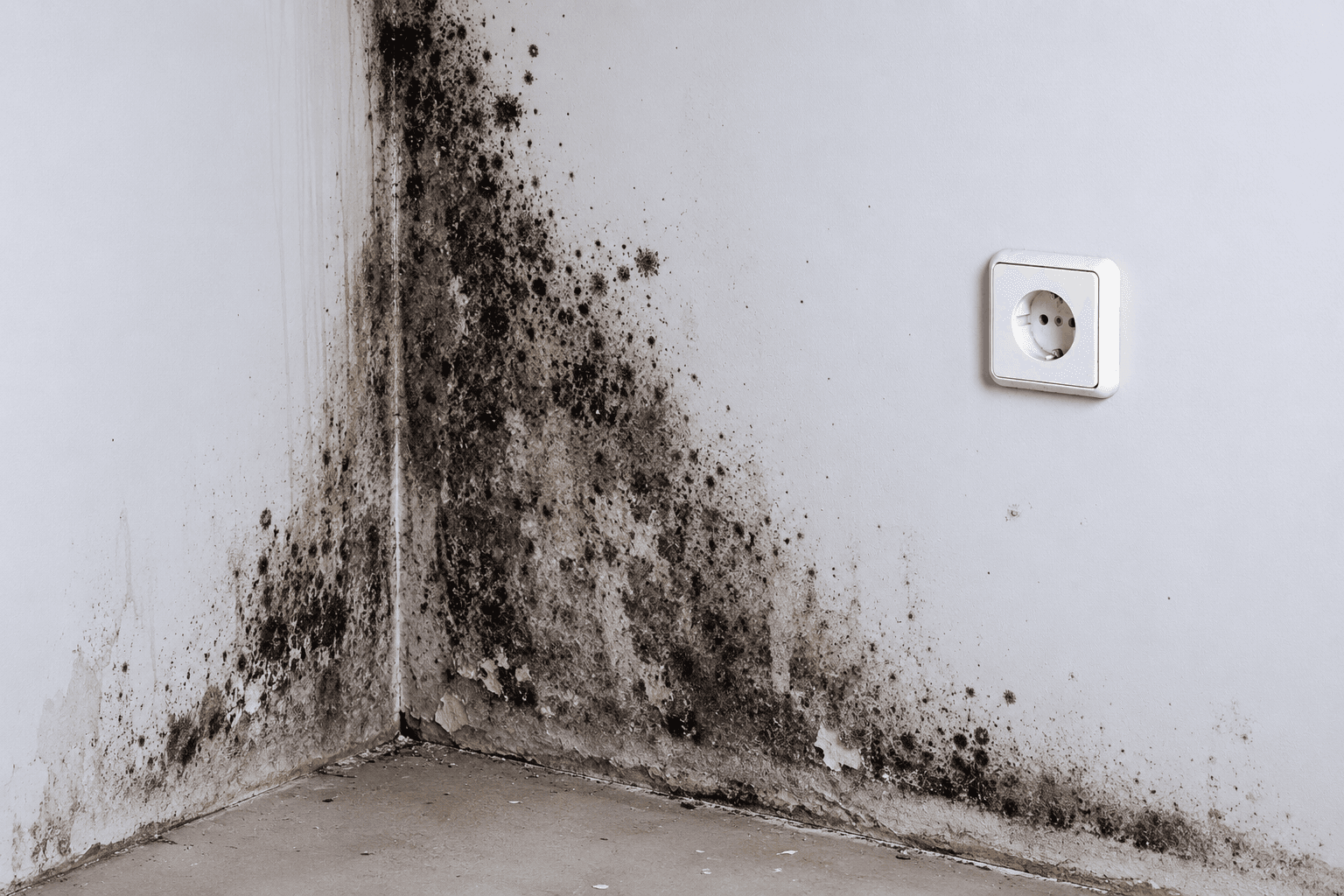
Black mold is real, and you should take it seriously when you find it, but the cultural fear around "toxic black mold" runs well ahead of what major health agencies actually claim. Most homes will encounter dark-colored mold at some point. Most of those cases are handled with appropriate cleanup, not with mold lawyers and home tests.
What the CDC and EPA do recognize: indoor mold exposure can trigger allergic reactions, asthma symptoms, and upper respiratory irritation. The CDC lists possible symptoms as stuffy nose, sore throat, coughing or wheezing, burning eyes, and skin rash. People with asthma or mold allergy can have severe reactions, and immune-compromised people can develop lung infections.
What's been overstated: the idea that black mold (specifically Stachybotrys chartarum) causes catastrophic illness in otherwise healthy adults. The CDC's Stachybotrys chartarum Facts page is direct: "no test exists that proves an association between Stachybotrys chartarum and particular health symptoms," and the possible link to acute idiopathic pulmonary hemorrhage in infants "has not been proven." The 2004 Institute of Medicine report "Damp Indoor Spaces and Health" found sufficient evidence linking damp indoor environments to respiratory symptoms and asthma, but not to the broader "toxic mold syndrome" claims common online.
This article will tell you what's worth worrying about, what isn't, and what to actually do. We've tried to be honest in both directions.
What "black mold" actually means
The term gets used three different ways:
- The species Stachybotrys chartarum specifically. This is what most "toxic black mold" coverage means. It's a real mold that grows on cellulose-rich materials (drywall paper, wood, paper, cardboard) that have been wet for an extended period. It produces dark green to nearly black colonies with a slimy texture when actively growing.
- Any dark-colored indoor mold. Many homeowners use "black mold" for any black or dark green growth, which includes Aspergillus niger, Cladosporium, Alternaria, Penicillium (some varieties), and others. These are far more common than true Stachybotrys and have varying (usually milder) health profiles.
- A general catch-all for "scary-looking mold." This is the most common usage and the least informative.
For practical purposes, the distinction between species rarely matters because you cannot tell them apart by looking, and the cleanup protocol is the same regardless. Air-quality testing after remediation is generally more useful than species identification before.
For what black mold looks like in detail, see what does black mold look like. For how it differs from harmless mildew, see mildew vs. mold.
The honest take on black mold and health
This is the most contested part of the topic, so we'll cover it carefully — using only what major health agencies actually say.
What the CDC and IOM recognize as well-established:
- The CDC lists these possible mold-exposure symptoms: stuffy nose, sore throat, coughing or wheezing, burning eyes, or skin rash.
- The CDC notes that people with asthma or who are allergic to mold may have severe reactions, and that immune-compromised people and people with chronic lung disease may get infections in their lungs from mold.
- The 2004 Institute of Medicine report "Damp Indoor Spaces and Health" found sufficient evidence linking indoor mold exposure to: upper respiratory tract symptoms, cough, and wheeze in otherwise healthy people; asthma symptoms in people with asthma; and hypersensitivity pneumonitis in susceptible individuals.
What the CDC explicitly does not endorse as established:
- "No test exists that proves an association between Stachybotrys chartarum and particular health symptoms" (CDC, Stachybotrys chartarum Facts page).
- "A possible association between acute idiopathic pulmonary hemorrhage among infants and Stachybotrys chartarum has not been proven" (CDC).
- The broader "toxic mold syndrome" or "mold toxicity" framing covering chronic fatigue, brain fog, cognitive issues, and similar systemic symptoms is not endorsed by the CDC, EPA, or IOM as established at typical home exposure levels.
What this means in practice:
If you find black mold in your home, you should clean it up properly and address the moisture source — the CDC's guidance is clear that no matter what type of mold is present, you need to remove it. If you have asthma, allergies, immune issues, or you're caring for an infant or elderly person, take more aggressive precautions. If you're a healthy adult in a home with a small mold patch on a bathroom tile, the appropriate response is "clean it up," not "evacuate."
If you're experiencing health symptoms you believe are mold-related, consult a doctor (ideally an allergist or pulmonologist) rather than relying on internet sources for diagnosis. This article is general information, not medical advice.
When black mold is a real problem
Some situations genuinely warrant urgency:
- Visible mold larger than 10 square feet (about a 3×3 foot area). EPA threshold for DIY.
- Mold on drywall, wood, insulation, or ceiling tiles (porous surfaces where the colony grows deep into the material).
- Mold near HVAC systems that can distribute spores throughout the home.
- Mold in a home with infants, elderly residents, or anyone with asthma, allergies, immune suppression, or pre-existing respiratory disease.
- Mold accompanied by water damage or a persistent leak that hasn't been fixed.
- Mold smell without a visible source. The colony is hidden and likely larger than what you can see. See what does mold smell like.
In any of these situations, the right move is professional inspection and remediation, not DIY cleanup.
When it's not as bad as it looks
Many "black mold" calls turn out to be easier to handle than the homeowner first thought:
- A small dark patch on bathroom tile or grout (under a doormat in size) is typically surface-only mold or mildew. Clean it with a bleach-based product or hydrogen peroxide. See how to get rid of mold.
- Dark spots on the rubber gasket of a front-loading washing machine are usually surface mold or Aureobasidium pullulans, not Stachybotrys. Wipe with vinegar or bleach.
- A dark streak on a ceiling under a vent is often soot or dust accumulation, not mold. Wipe with a damp cloth and see if it lifts.
- Dark grout lines in a shower can be old mildew rather than active mold. Test with the wipe approach: mildew comes off, mold resists.
The texture test is the most useful real-world check. Active mold has dimensional texture (slimy when wet, fuzzy or chalky when dry). Stains, soot, and old residue do not. See what does black mold look like for the visual breakdown.
What to do when you find it
The decision flowchart:
- Is the patch larger than a doormat (3×3 feet)? If yes → call a pro.
- Is it on drywall, untreated wood, insulation, ceiling tiles, or carpet? If yes → call a pro.
- Is there an active leak you haven't fixed? If yes → fix the leak first; cleaning is wasted until you do.
- Is anyone in the household at high risk (asthma, immune suppression, infant, elderly, pregnant)? If yes → consider calling a pro even for smaller patches.
- If none of the above → DIY is appropriate. Follow the protocol in how to get rid of mold.
For DIY-appropriate cases, the right cleaning agent depends on the surface:
- Tile, glass, sealed counters: vinegar or diluted bleach works equally well.
- Grout, sealed wood, or fabric: hydrogen peroxide because it penetrates porous surfaces.
- Anything you'd rather not touch chemically: vinegar or peroxide are non-toxic options.
For pro-required cases, request a free quote. See mold remediation cost for what to expect to pay and what is mold remediation for what a proper job involves.
What a real remediation job looks like
If you've decided to hire a pro, here's what should happen:
- Inspection. A qualified pro uses moisture meters and (often) thermal imaging to find the extent of the colony, including hidden portions. They identify the moisture source.
- Containment. Plastic sheeting is hung around the work area. Negative air pressure with HEPA filtration prevents spore migration to clean areas.
- PPE. Workers wear N95 or P100 respirators, full coveralls, and goggles.
- Removal. Affected drywall, insulation, or other porous materials are cut out, bagged, and disposed of. Studs and other structural elements are cleaned with EPA-registered antimicrobials.
- HEPA vacuuming. All surfaces in the containment area get vacuumed with HEPA-rated equipment.
- Moisture source resolution. The original leak or moisture issue is fixed; otherwise the mold returns.
- Clearance testing. An independent (third-party) lab tests air samples after remediation to confirm spore counts are back to baseline.
That's the ANSI/IICRC S520-2024 standard (4th edition, the current version), which is what reputable remediation companies follow. If a pro is quoting you a job that doesn't include containment, source resolution, or clearance testing, what you're being sold isn't remediation. It's wiping. Ask about each of these steps explicitly before signing.
Common myths worth shutting down
"Bleach kills black mold permanently." No. Bleach kills surface mold and leaves the colony in porous materials alive, and the water it delivers can feed that colony. See does bleach kill mold.
"I need to know if it's really Stachybotrys." You don't, for cleanup decisions. The response protocol is the same for any dark indoor mold of meaningful size.
"Black mold will kill you." Mold can cause real problems for people with risk factors, and any significant colony deserves serious attention. But severe systemic illness from typical home exposure in otherwise healthy adults is not supported by the current scientific consensus.
"If my home tested positive for mold spores, I have a black mold problem." Air tests find spores everywhere; every home has mold spores in the air at some level. The relevant comparison is spore counts indoors vs. outdoors, and the presence of mold-related symptoms in occupants. A single positive test in isolation doesn't mean what most homeowners think it means.
"I should sue my landlord/seller/builder." Maybe, depending on what state you're in and whether the mold was disclosed or caused by structural negligence. But "I found mold" alone isn't usually grounds for a lawsuit. Consult a lawyer in your state if you believe there's a serious case; this article is not legal advice.
Renting? Read this first
- Anything on drywall, ceilings, or caused by a structural problem is generally the landlord's responsibility in most states. Don't take on remediation that should be theirs.
- Document everything: date-stamped photos, written notes, emails (not just texts) to your landlord.
- State habitability laws vary significantly. Many states require landlords to address mold caused by leaks or structural moisture; specifics differ. Contact a local tenants' rights organization for your jurisdiction.
- If you're being told "just clean it" when the problem is actually drywall-level, push back in writing and consider contacting your local code enforcement or housing authority.
See mold in apartments for the longer renter playbook. This article is general information, not legal advice.
Questions to ask if you're hiring a pro
- Are you IICRC-certified for mold remediation (S520)?
- Will you find and address the moisture source as part of the job?
- How will you contain the work area to prevent spore migration?
- What PPE do your workers wear?
- Will you provide post-remediation clearance testing by an independent lab?
- What's covered if the mold returns within a year?
- Can you give me a written scope of work and itemized estimate?
If a pro can't or won't answer these confidently, keep looking. The cheapest quote is usually cheap for a reason.
Frequently asked questions
Is black mold deadly?
The CDC's published position is that no test currently proves an association between Stachybotrys chartarum and particular health symptoms, and that a link between Stachybotrys and severe outcomes like acute idiopathic pulmonary hemorrhage in infants "has not been proven." People with asthma, severe allergies, immune suppression, or pre-existing respiratory disease are at meaningfully higher risk from any indoor mold and should treat exposure conservatively. If you're concerned about specific symptoms, consult a doctor; this article isn't medical advice.
Can I touch black mold?
Brief incidental contact isn't typically dangerous to healthy skin, but you should avoid it. Always wear gloves when cleaning mold and an N95 mask to avoid breathing disturbed spores.
How long can you live with black mold?
This question reflects the panic narrative more than the evidence. People live in homes with mold problems for years; whether that's harmful depends heavily on individual health factors and the size of the colony. The right answer is "address the problem" not "how long do I have to live."
How can I tell if I have black mold or just regular mold?
You usually can't, by looking. Visual identification of mold species is unreliable. For cleanup decisions, species doesn't matter as much as size, surface, and moisture source. See what does black mold look like.
What are the symptoms of black mold exposure?
The CDC lists possible mold-exposure symptoms as stuffy nose, sore throat, coughing or wheezing, burning eyes, or skin rash, with severe reactions possible in people with asthma or mold allergy. Other symptoms sometimes attributed to mold exposure (cognitive issues, chronic fatigue, brain fog) are not currently endorsed by the CDC or IOM at typical home exposure levels. Consult a doctor for individual symptoms; don't self-diagnose from a website.
Should I get a black mold test kit from the hardware store?
Most home test kits tell you whether mold spores are present in the air or on a surface, but spores are everywhere, so the test almost always comes back "positive." Without comparison data and proper sampling technique, the results aren't actionable. Professional air sampling with a comparison to outdoor levels is the more useful test, if testing is needed at all.
Will my homeowners insurance cover black mold?
Sometimes, depending on the cause. Most policies cover mold that results from a "covered peril" like a burst pipe or storm damage; most exclude mold from long-term neglect, slow leaks the homeowner should have caught, or flooding (which needs separate flood insurance). Read your policy or call your insurer.
Related reading on MoldNation
- What does black mold look like?
- Mildew vs. mold: how to tell them apart
- What does mold smell like?
- Pink mold (it's usually not actually mold)
- How to get rid of mold: the honest DIY guide
- Does bleach kill mold?
- Does vinegar kill mold?
- Does hydrogen peroxide kill mold?
- What is mold remediation, and how do pros do it?
- How much does mold remediation cost?
- Mold on walls: what to do
Sources for this article: the EPA's "A Brief Guide to Mold, Moisture, and Your Home" (epa.gov/mold); the CDC's mold pages (cdc.gov/mold-health/about/) and the CDC's Stachybotrys chartarum Facts page (cdc.gov/mold-health/data-research/facts-stats/) — quoted directly where attributed; the Institute of Medicine's report "Damp Indoor Spaces and Health" (2004); and the ANSI/IICRC S520-2024 (4th edition) standard for professional mold remediation.
This article is general information, not medical, legal, or remediation advice. Health claims in this article are framed to match the currently-published positions of major health agencies. If you have specific health concerns about mold exposure, consult a qualified medical professional.
Last updated May 28, 2026.