Learn
Practical guides on mold prevention, remediation, andhiring local pros, written for homeowners.
Browse all articles
From quick fixes to expert advice, get the answers you need to keep your home mold-free.

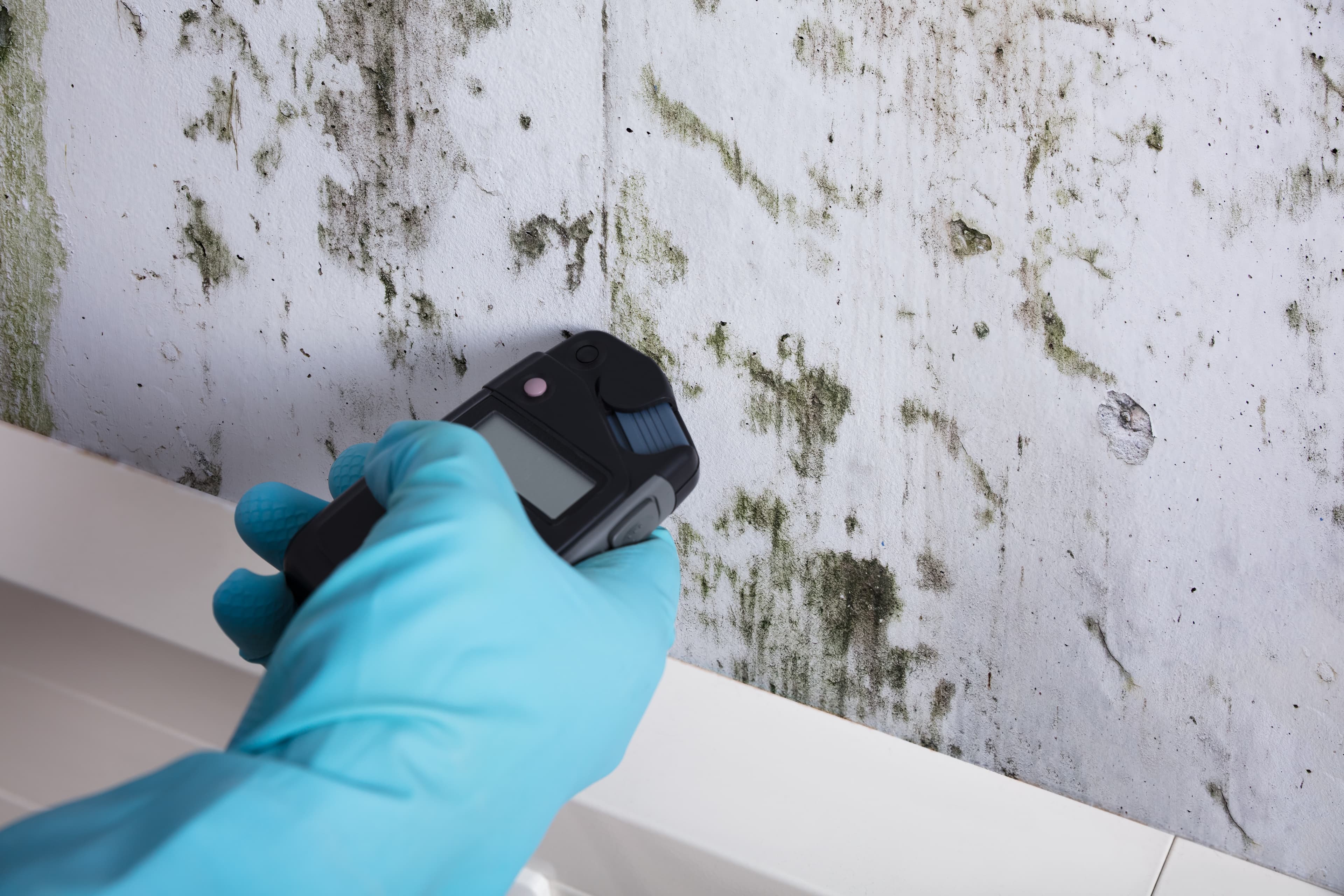
10 Warning Signs of Mold Toxicity (and What the Science Actually Says)
The 10 symptoms people most often associate with mold exposure — plus an honest look at which ones the science backs, which are contested, and what to do next.
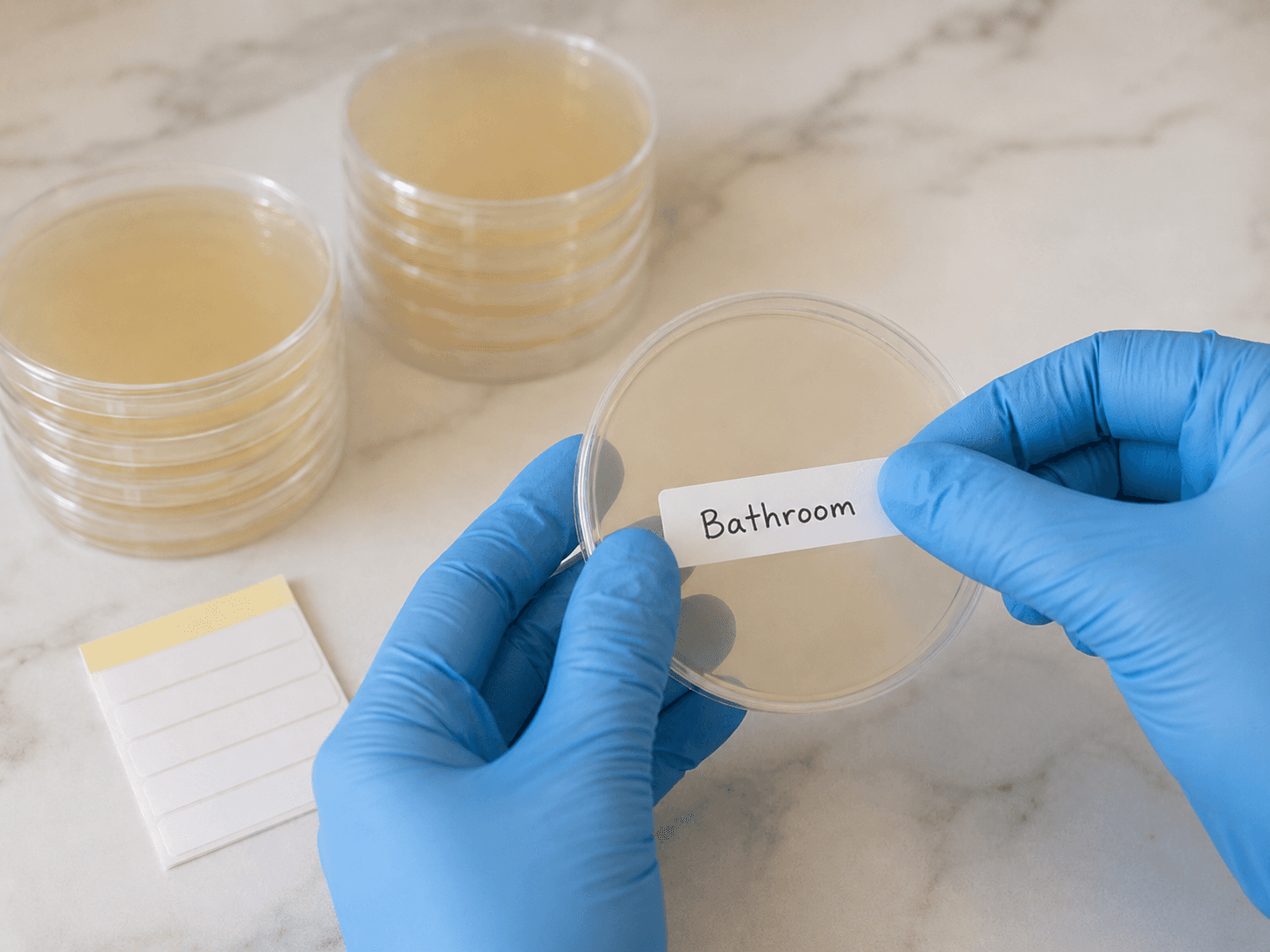
Mold Test Kits: What They Actually Tell You (and What They Don't)
Most home mold test kits give you a 'positive' result because mold spores are everywhere. When a test kit is genuinely useful, when it's a waste of $30, and what to do instead.
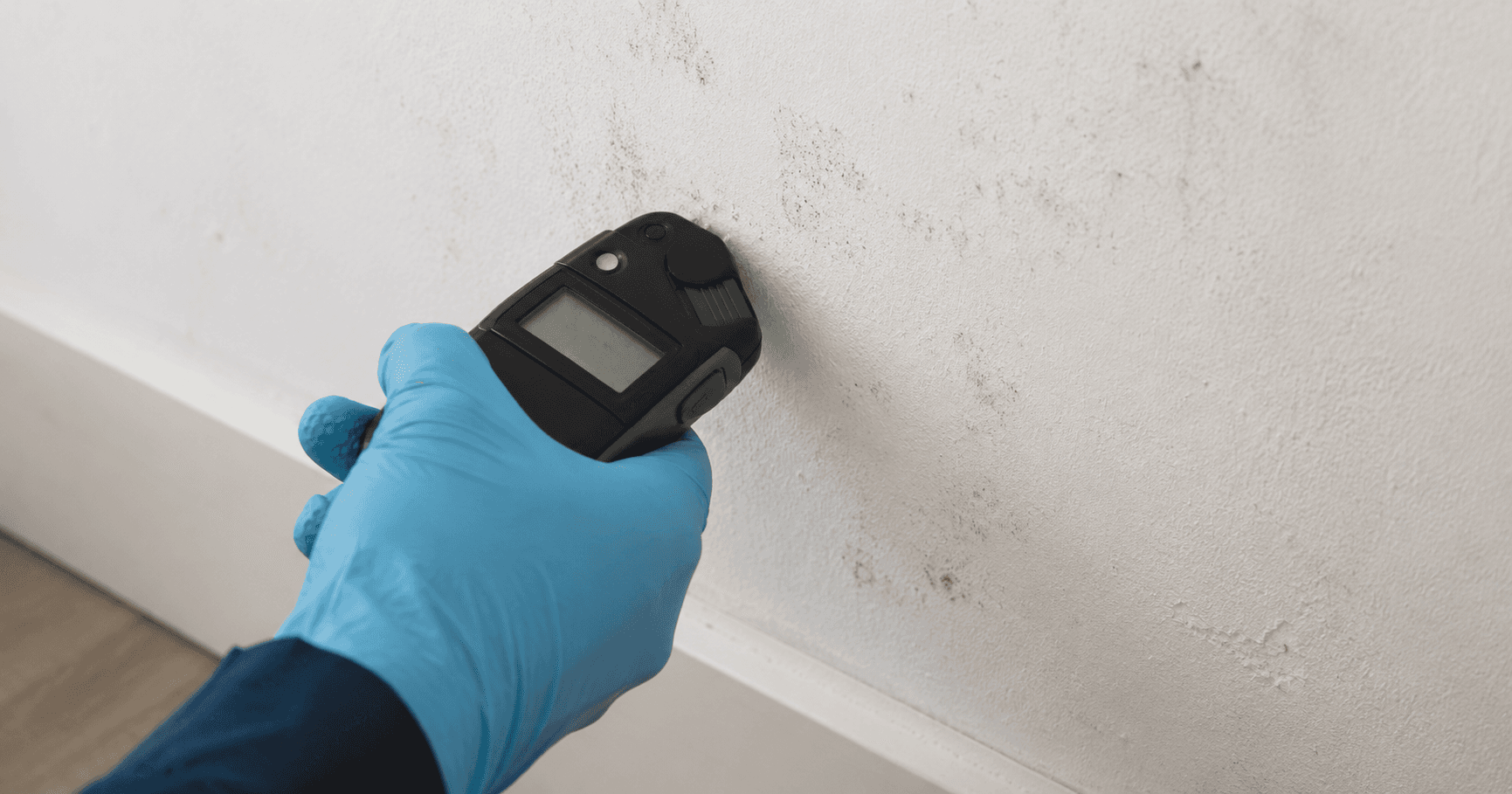
Mold Detectors: What They Really Detect (and Whether You Need One)
There isn't a true 'mold detector' for your home — but moisture meters, hygrometers, and indoor air-quality monitors are useful. What each one does and what to actually buy.
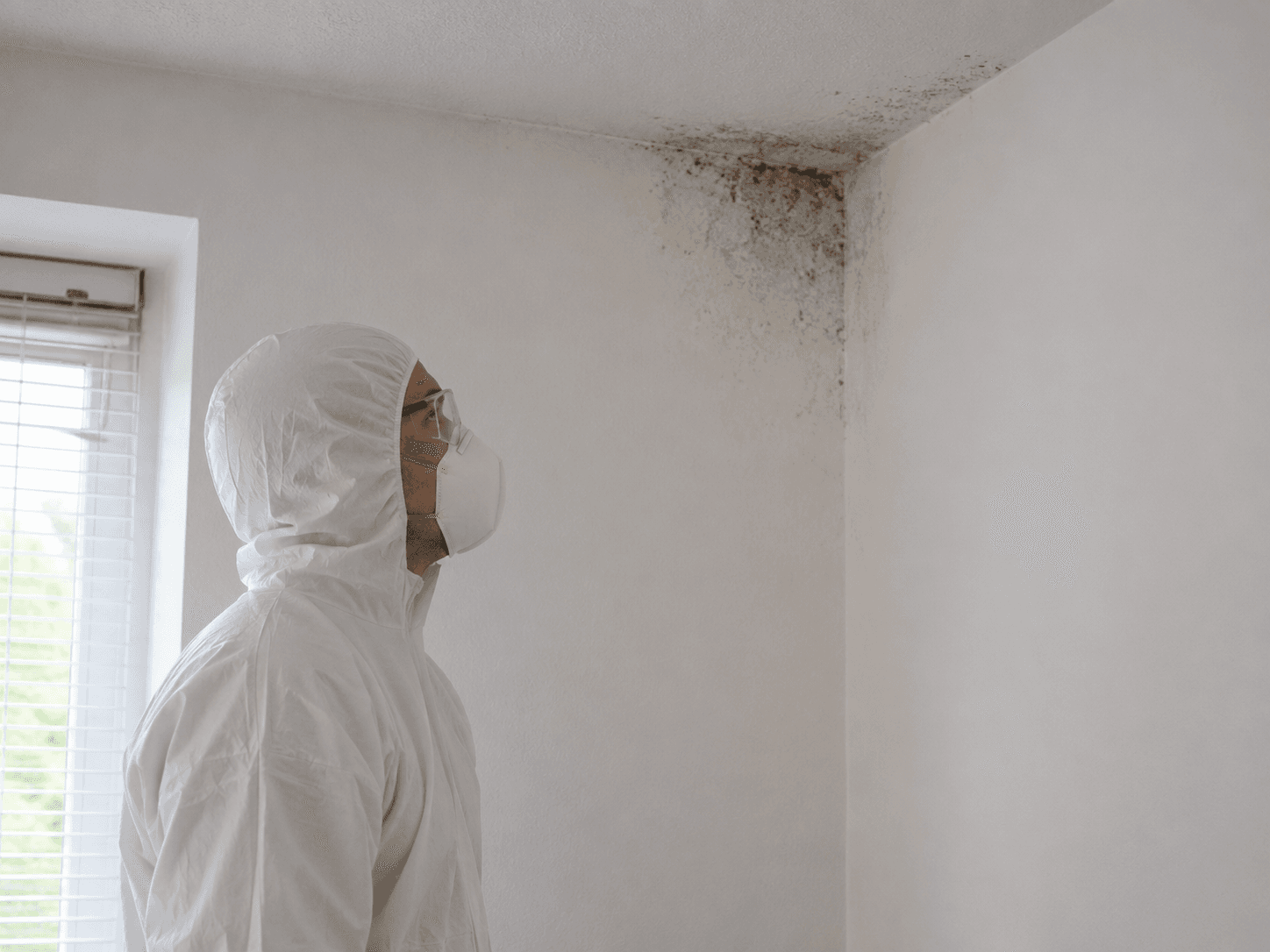
How Much Does Mold Remediation Cost? Real Numbers, Honest Breakdown
Most residential mold remediation runs $1,500–$6,000, but the range stretches from $500 for a bathroom to $30,000+ for whole-house jobs. What drives the price and how to avoid overpaying.
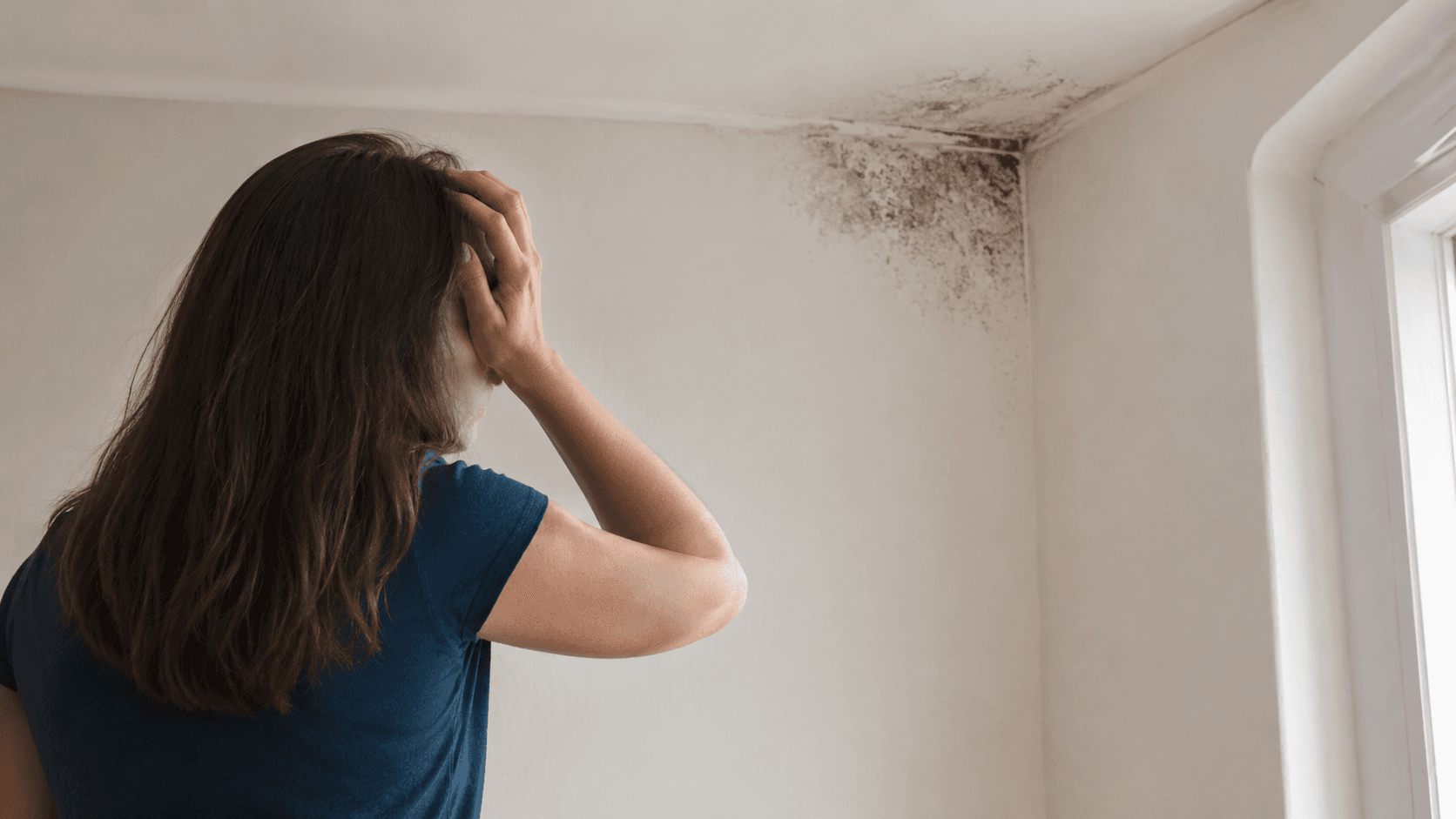
Does Homeowners Insurance Cover Mold? Sometimes — Here's the Honest Breakdown
Whether your homeowners insurance covers mold usually comes down to what caused it. Burst pipe — often yes. Slow leak you should have caught — usually no. How to read your policy.
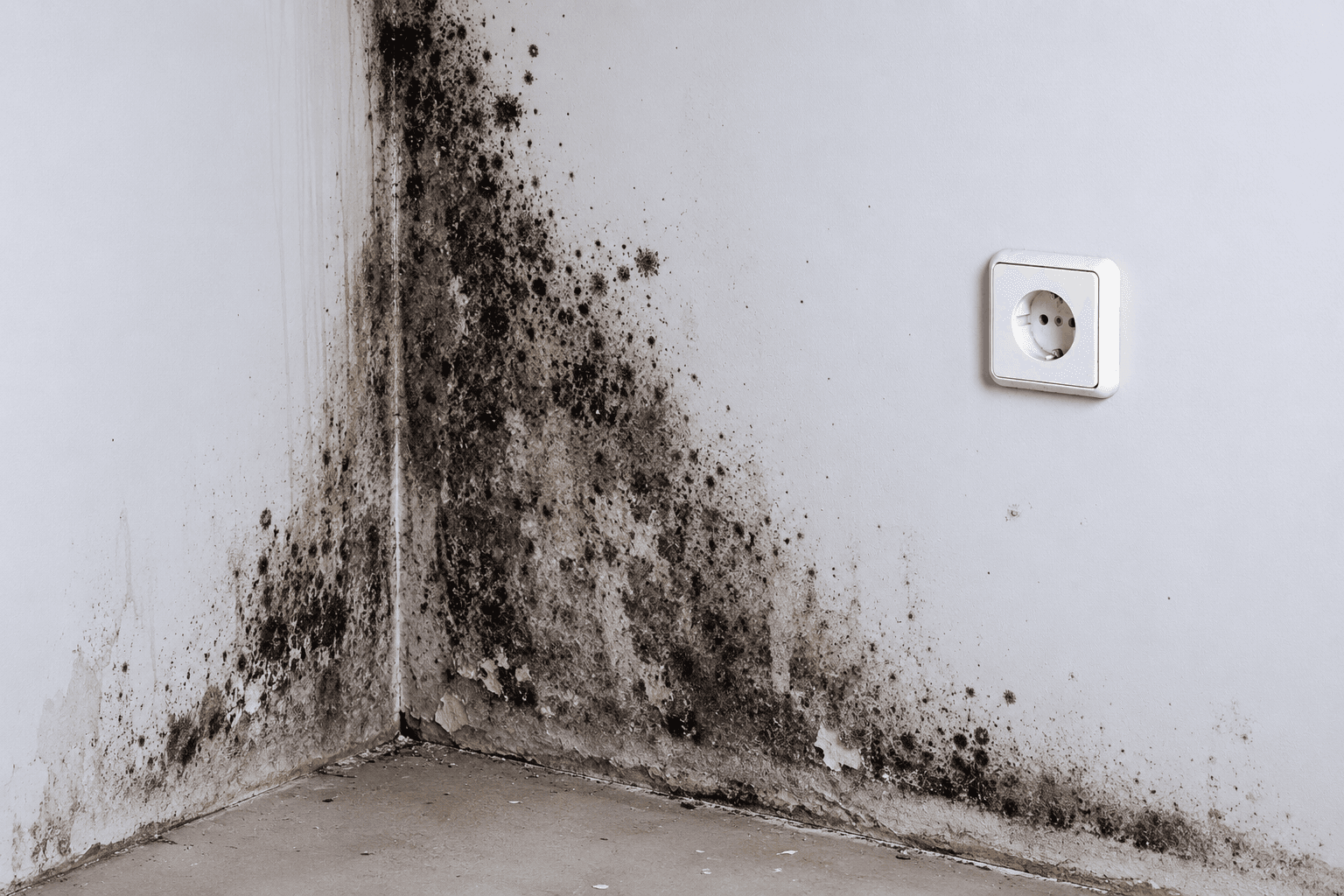
Black Mold: What It Is, What It Isn't, and What to Actually Do
Black mold is real but heavily over-hyped. What the science actually says, when to worry, when to call a pro, and what every claim about 'toxic mold' gets wrong.
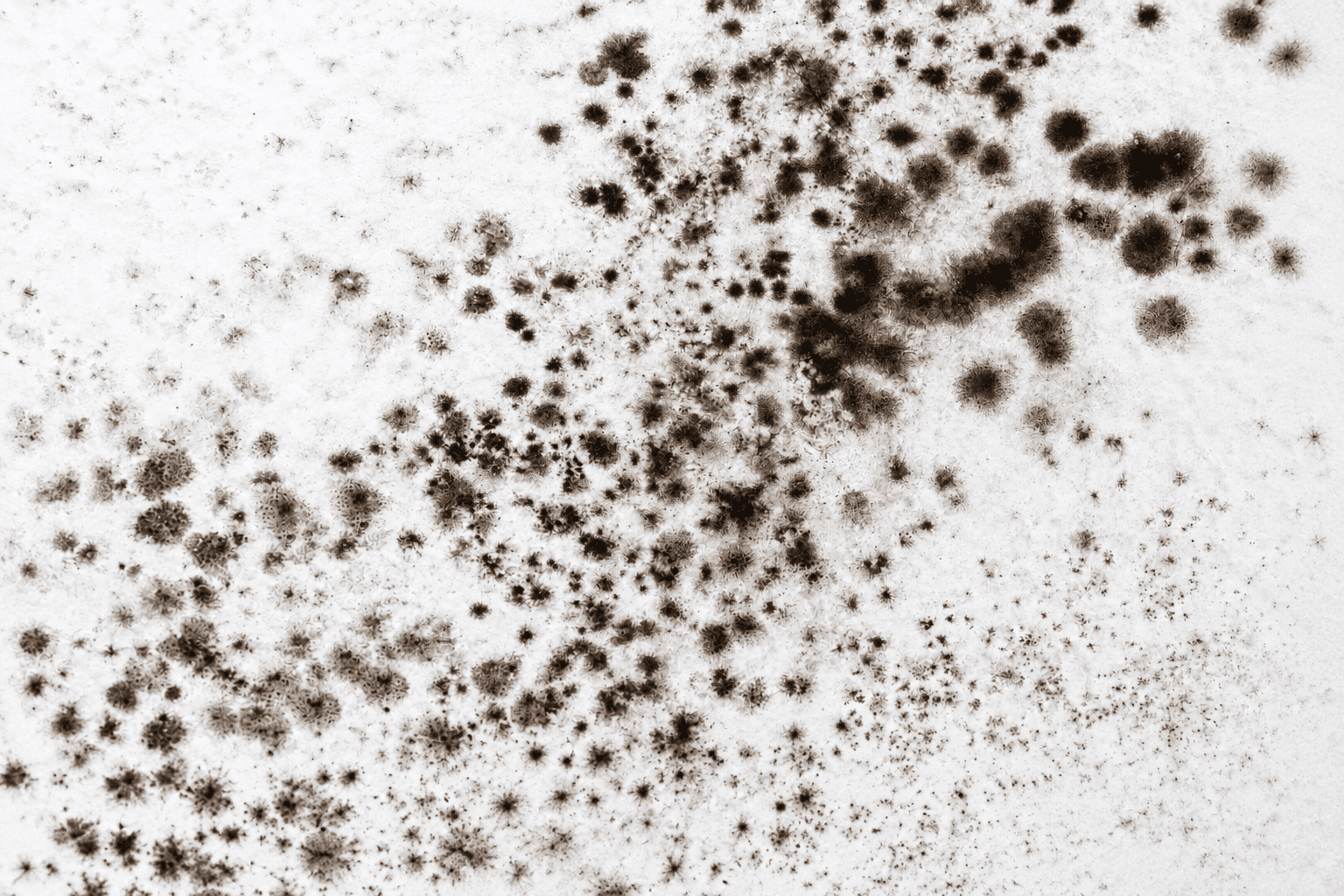
What Does Black Mold Look Like? A Visual Identification Guide
Black mold is dark green to black, often slimy or velvety, and grows where things stay damp. How to tell it from mildew, soot, and water stains.
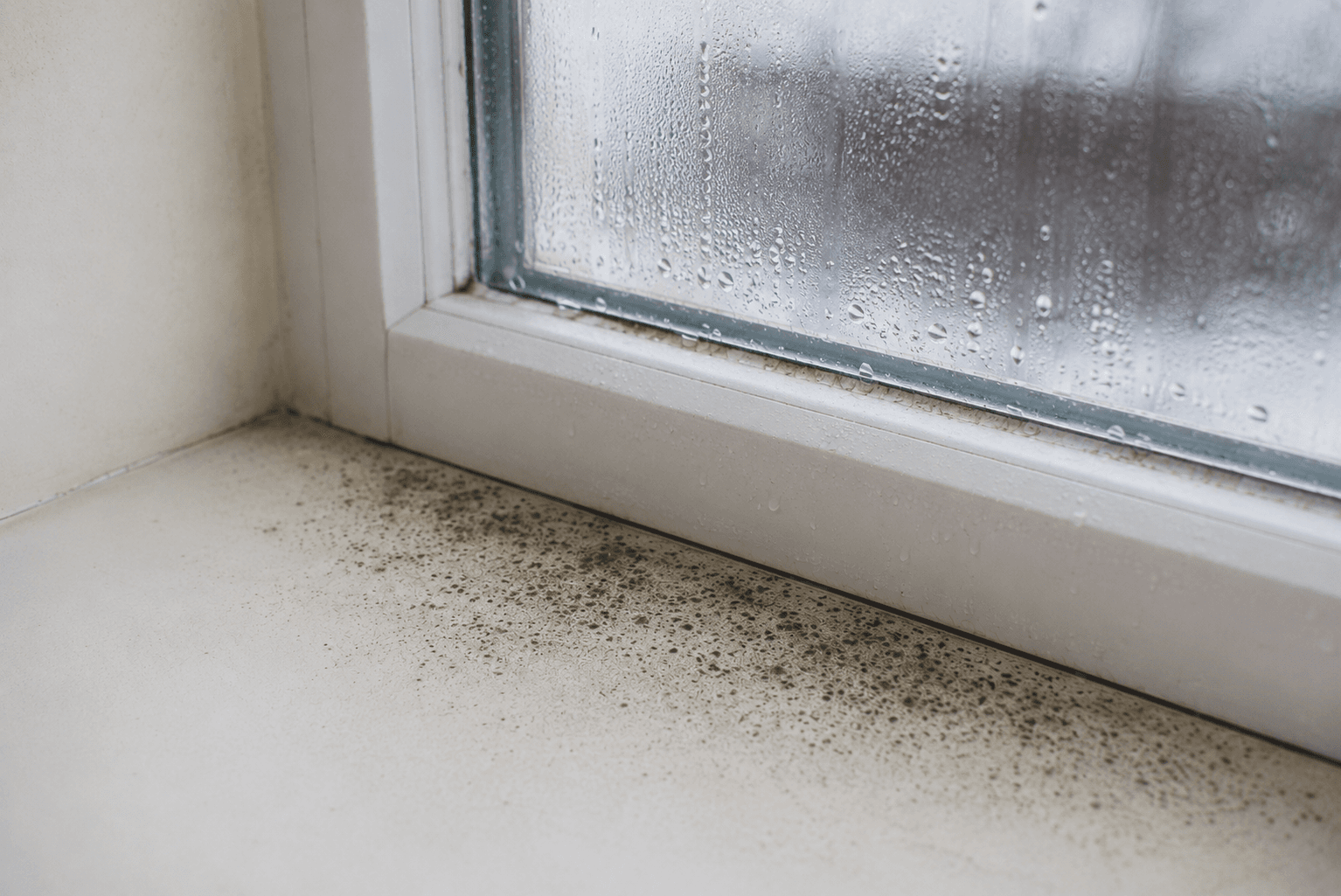
Mildew vs. Mold: How to Tell Them Apart (and Why It Matters)
Mildew is flat, powdery, and stays on the surface. Mold is fuzzy, slimy, or velvety and grows into porous materials. How to tell which one you have and clean each.
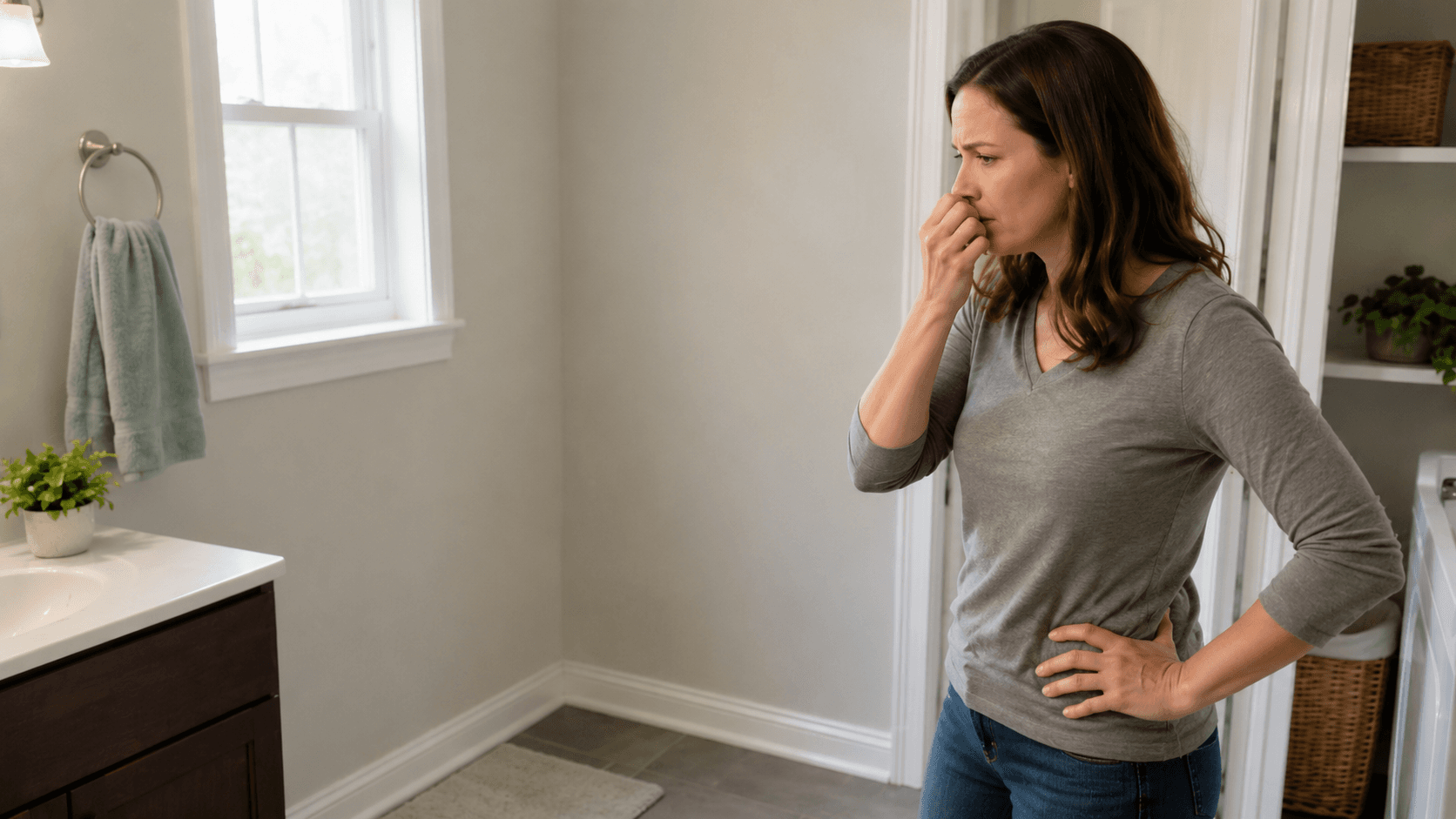
What Does Mold Smell Like? The Damp-Basement Smell, Explained
Mold smells musty, earthy, and damp — like wet socks, an old basement, or wet cardboard. If you can smell it but cannot see it, that is a problem. Here is what to do.
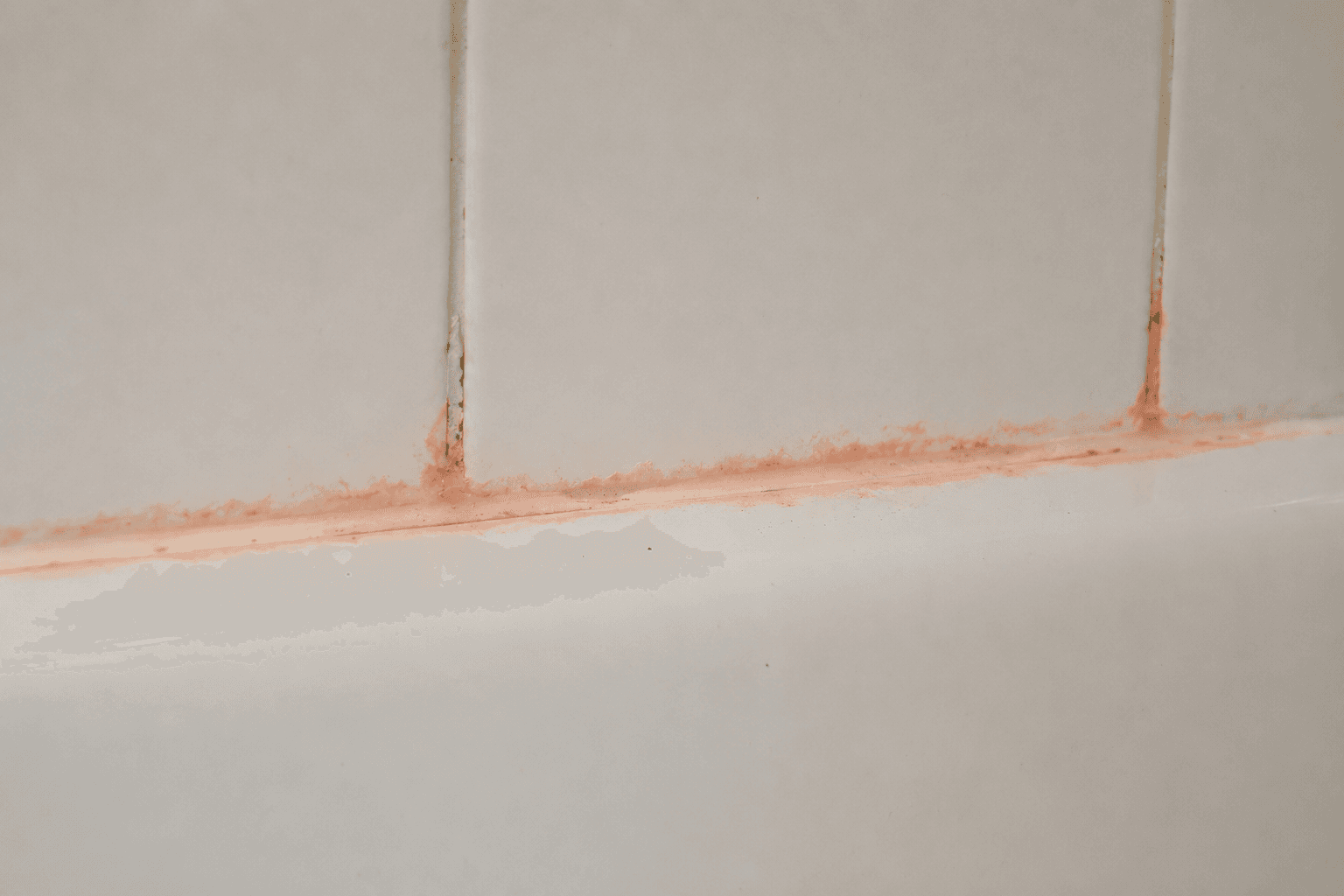
Pink Mold: It's Almost Always Not Mold — Here's What It Actually Is
Pink "mold" in your shower, toilet, or pet bowl is almost always Serratia marcescens, a bacteria, not a fungus. How to identify it, remove it, and stop it from coming back.
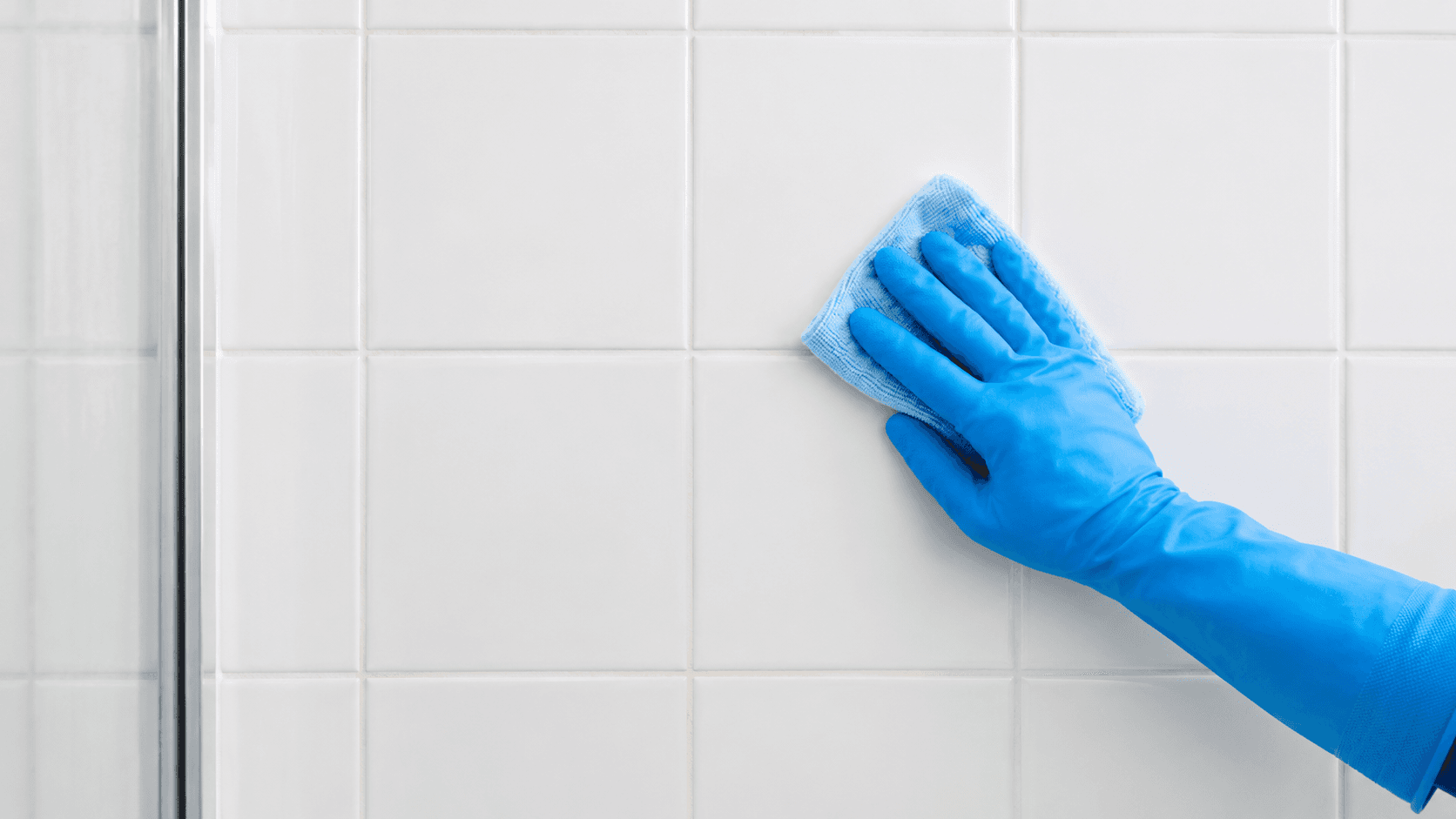
How to Get Rid of Mold: The Honest DIY Guide
Which cleaning agents work on which surfaces, when DIY is reasonable, and exactly when to stop and call a pro. Plain language, real numbers.
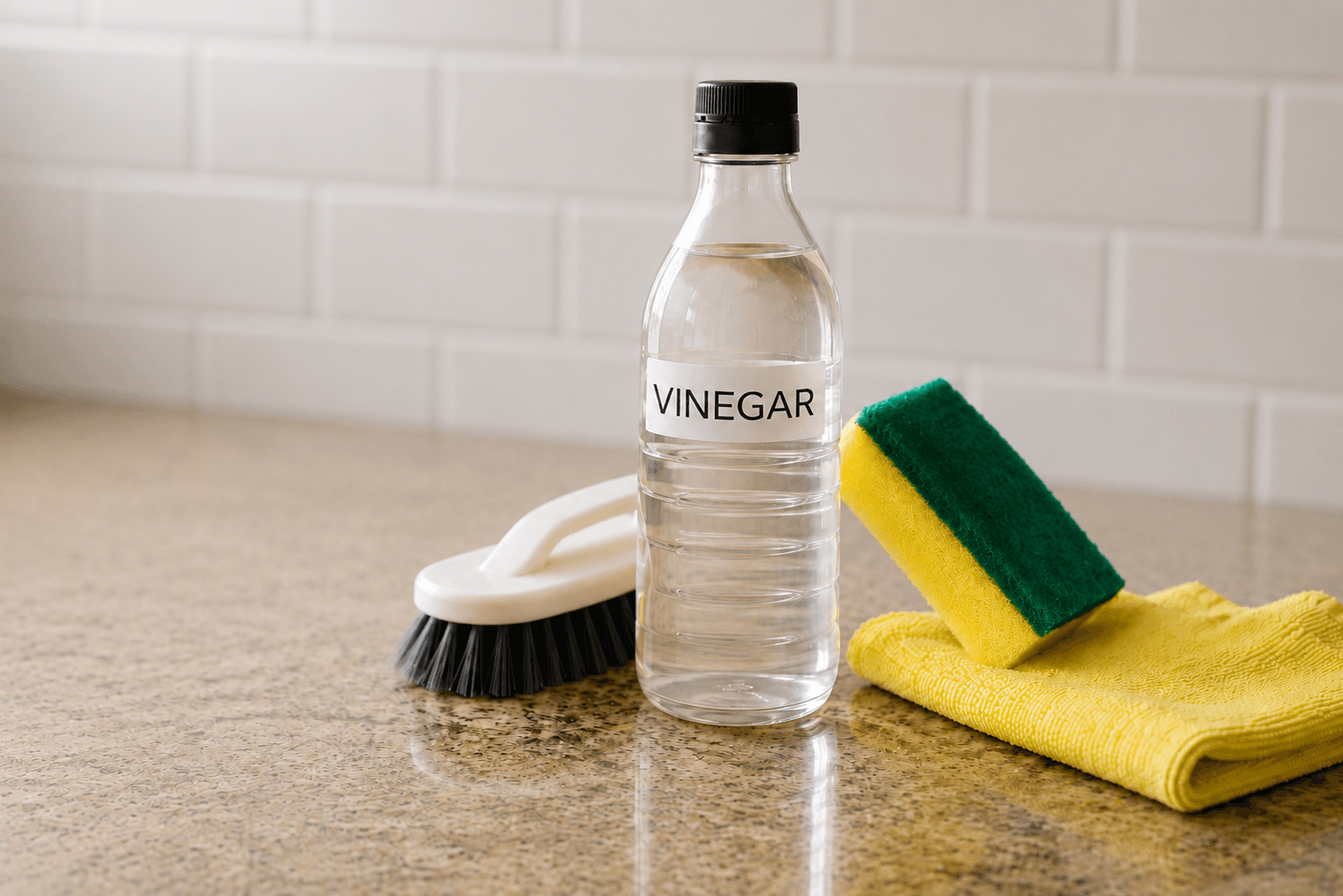
Does Vinegar Kill Mold?
White vinegar kills mold on hard, non-porous surfaces like tile and glass. It fails on drywall, wood, and grout. When it works and when to call a pro.
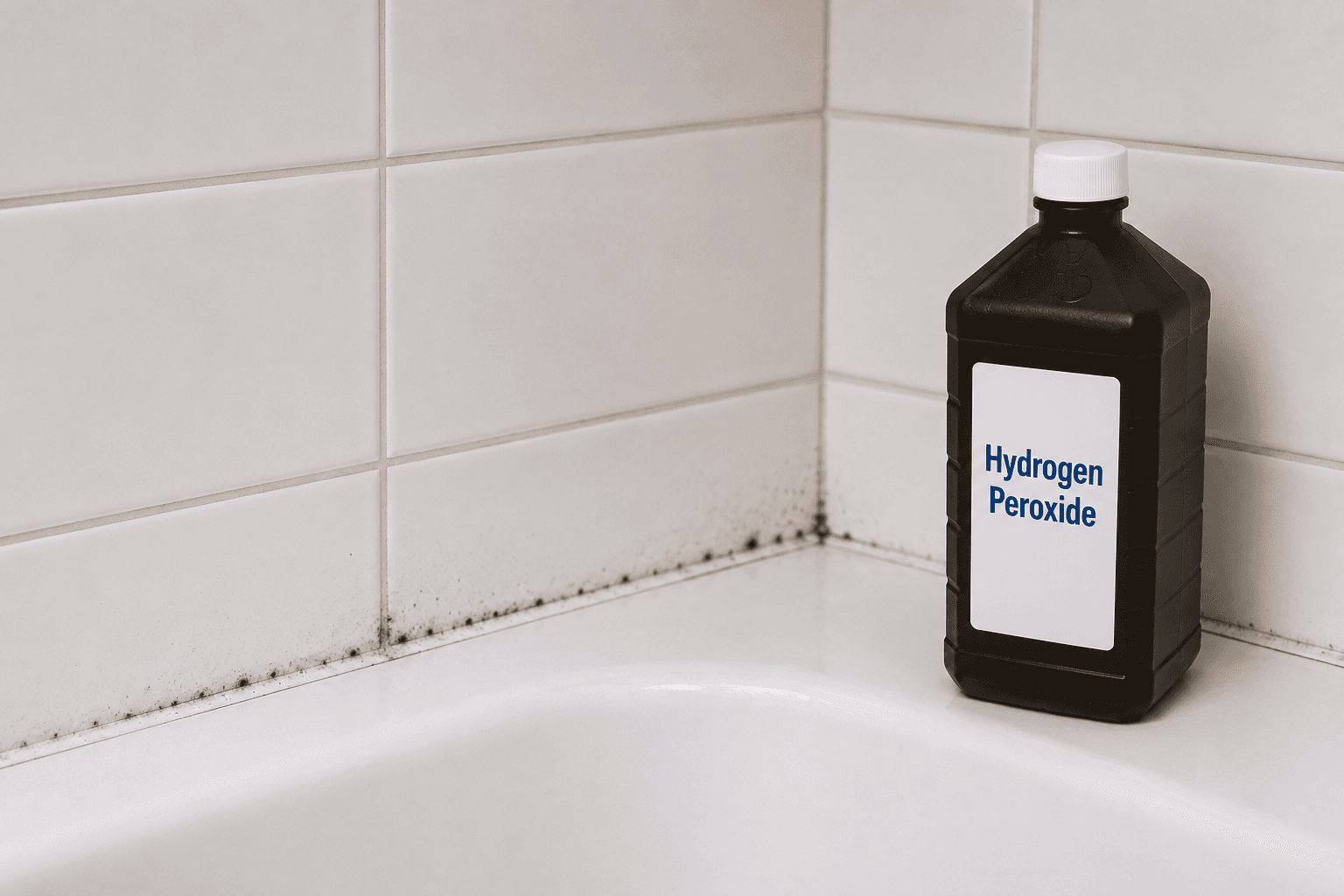
Does Hydrogen Peroxide Kill Mold?
3% hydrogen peroxide penetrates porous surfaces better than vinegar or bleach. Best for grout, sealed wood, and fabric — with one color-test caveat.
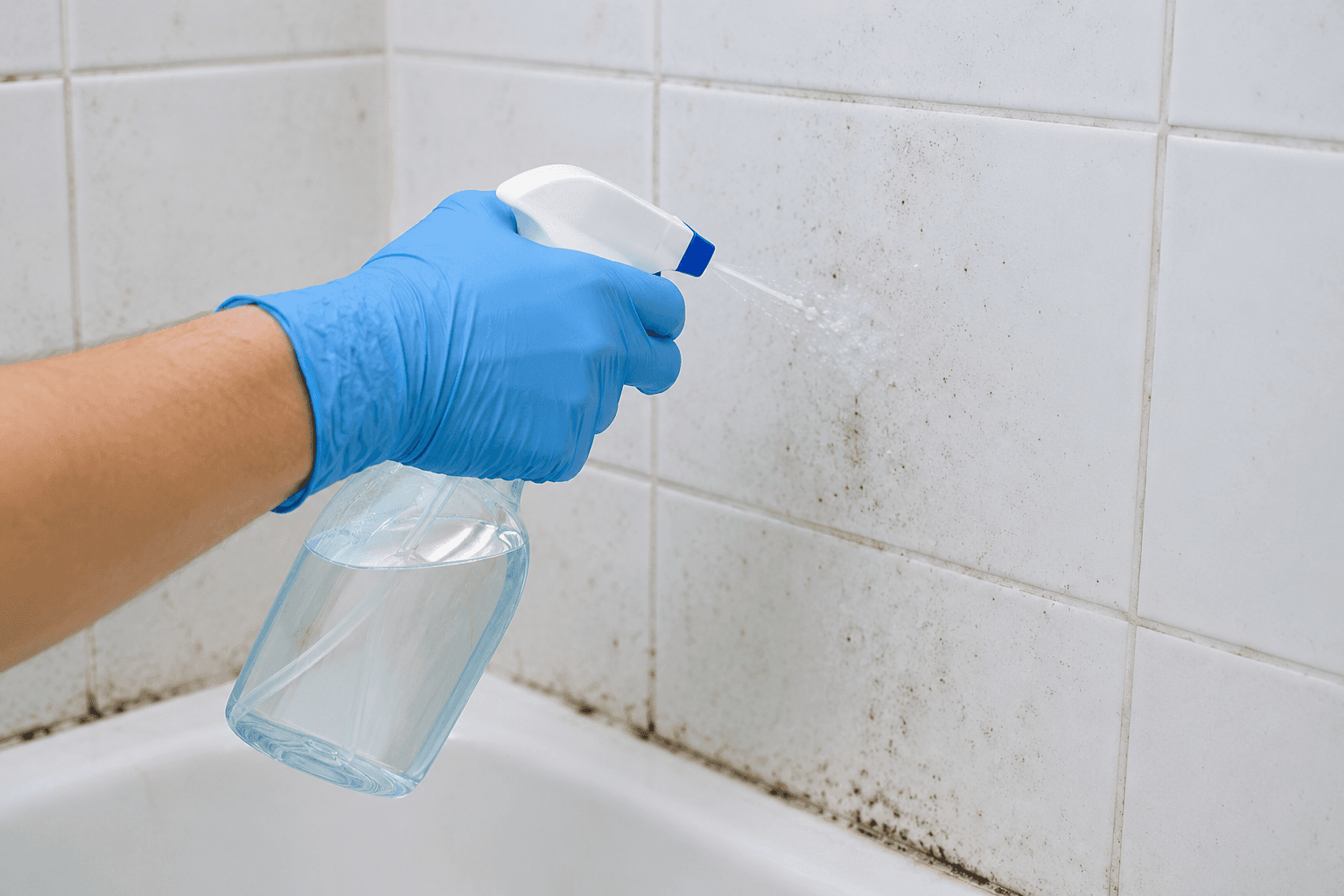
Does Bleach Kill Mold?
Bleach can disinfect non-porous surfaces, but it is not a complete fix for mold in walls, wood, or drywall. Here is what homeowners should know.
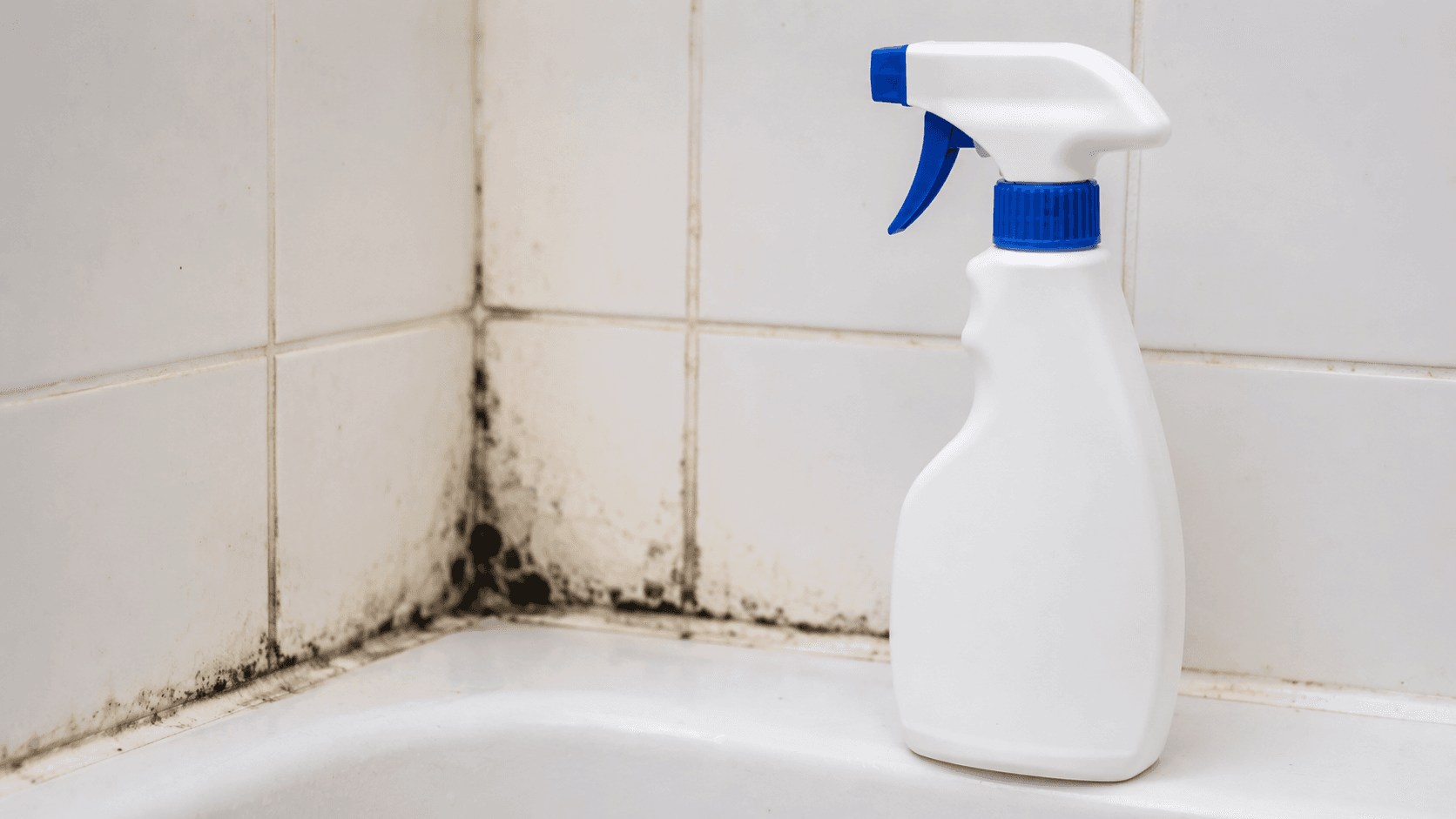
Does Lysol Kill Mold?
Some Lysol products kill mold; others just disinfect surfaces you have already cleaned. Here is what each product actually does and when to use it.